LTO Alarm Check Online: How to Verify and Clear Vehicle Alarms in the Philippines
An LTO alarm is a digital flag in the Land Transportation Office system that blocks vehicle registration renewal until you settle violations, fines, or legal issues. You check it by texting your plate number to 2600 or logging into the LTO Portal.
In 2026, the LTO processed over 12 million vehicle registrations nationwide, according to Department of Transportation data. About 18% of renewal applicants discovered unresolved alarms during processing. That translates to roughly 2.1 million Filipinos who faced registration delays because they didn’t check their vehicle status beforehand.
This guide walks you through every method to check LTO alarms online, explains what triggers these alerts, and shows you exactly how to clear them. You’ll also learn how to verify plate numbers before buying used cars and avoid common pitfalls that delay registration.
What Is an LTO Alarm and Why Does It Matter?
Age Requirements:
An LTO alarm is a system alert that prevents vehicle owners from renewing registration until they resolve outstanding violations, unpaid fines, pending court cases, or other compliance issues flagged by the Land Transportation Office.
The LTO database tracks every traffic violation, emission test failure, and legal complaint linked to your plate number. When any unresolved issue appears in the system, it automatically generates an alarm that blocks registration transactions.
Think of it like a hold on your account. You can’t proceed with renewal, ownership transfer, or clearance requests until you settle whatever triggered the flag. The system doesn’t care if you forgot about that coding violation from six months ago. Until you pay that fine and secure clearance, your vehicle registration stays frozen.
Common Reasons Your Vehicle Gets Flagged
Most alarms stem from these issues:
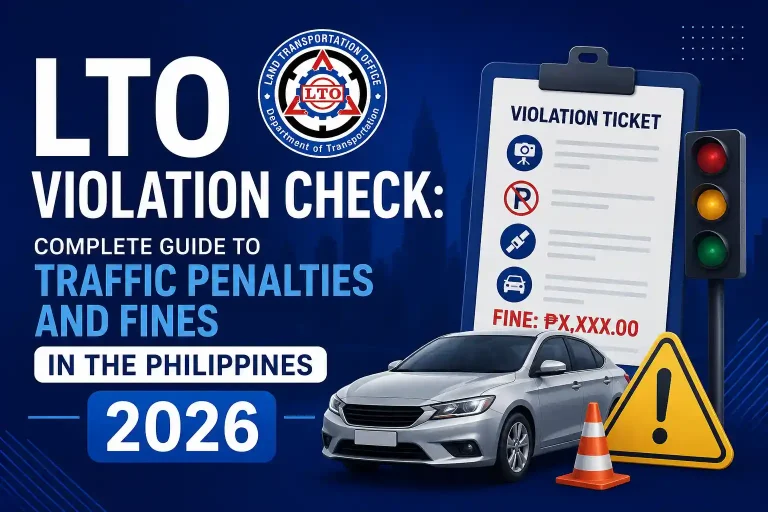
- Unpaid traffic violations – NCAP tickets, speeding violations, disregarding traffic signals, illegal parking, number coding infractions
- Overdue registration fees – Late renewal penalties accumulate monthly and trigger automatic system holds
- Failed emission tests – Clean Air Act violations from smoke belching or refusing compliance testing
- Pending legal cases – Court orders related to carjacking complaints, financing disputes, or accident liability claims
- Stolen vehicle reports – PNP Highway Patrol Group alerts remain active until cleared through proper channels
- Document inconsistencies – Mismatched engine numbers, chassis numbers, or ownership records
The Metropolitan Manila Development Authority alone issued 2.8 million NCAP violations in 2023. Most drivers ignore these tickets until renewal time, only to discover multiple alarms blocking their transaction.
What Happens When You Have an Active Alarm
You face immediate consequences:
- Registration renewal gets denied at all LTO branches and satellite offices
- Ownership transfer transactions won’t process even with complete documentation
- Third-party motor vehicle clearances remain unprintable until the alarm lifts
- Your vehicle technically operates with expired registration once the current year lapses
- Traffic enforcers can impound vehicles with expired registration during checkpoint operations
Some drivers assume they can ignore alarms and just drive carefully. That works until you hit a checkpoint or get flagged during a routine stop. Then you’re dealing with impoundment fees, towing charges, and potentially higher penalties for operating an unregistered vehicle.
How Do You Check LTO Alarm Using Your Plate Number?
You check LTO alarms by texting “LTOVEHICLE” followed by your plate number to 2600, accessing the LTO Portal online system, or visiting any LTO district office for a manual records check and motor vehicle clearance printout.
The fastest method takes less than five minutes and costs ₱2.50. Here’s how each checking method works in practice.
Text Message Verification Through 2600
This works for Smart, Globe, and Sun/DITO subscribers. Open your messaging app and type:
LTOVEHICLE ABC1234
Replace ABC1234 with your actual plate number. No spaces between LTOVEHICLE and your plate. Send to 2600.
You’ll receive an automated reply within 5 to 10 minutes showing:
- Go to the top of this page.
- Plate number confirmation
- Vehicle make, model, and year
- Color on record
- Last registration date
- Outstanding violations or apprehensions
- Alarm status (active or clear)
The service charges ₱2.50 per query regardless of result. That fee deducts from your prepaid load or postpaid account balance automatically.
Three important limitations: First, this only works during LTO business hours on weekdays. Texting after 5 PM or on weekends charges you but delivers no response until the next business day. Second, the system covers private vehicles only. Motorcycles, tricycles, and commercial trucks aren’t included in the SMS database yet. Third, some older vehicles registered before 2010 might not appear in the text query system.
Online Portal Verification Method
The LTO Portal provides free alarm checking through their LTMS platform. Visit the official website and create an account using your email address and mobile number.
After logging in:
- Navigate to the “Vehicles” section in your dashboard
- Enter your motor vehicle file number from your Certificate of Registration
- Review the vehicle status display showing all active alarms and violations
- Download the digital clearance certificate if your record shows clear
The portal works 24/7 but updates only during business hours. If you settle a violation on Friday afternoon, expect the system to reflect that clearance by Monday morning at the earliest.
Some users report login issues during peak registration months (December through March). The LTO IT infrastructure struggles with high traffic, so trying early morning or late evening improves connection success rates.
In-Person Verification at LTO Offices
Walk-in verification guarantees accurate results. Bring these documents:
- Original Certificate of Registration (CR)
- Original Official Receipt (OR)
- Valid government ID
Approach the information desk and request a “motor vehicle clearance check.” Staff will pull up your complete record showing all violations, alarms, and registration history. This printout serves as official documentation if you need proof of clear status for bank loans or insurance applications.
Processing takes 15 to 30 minutes depending on queue length. Most district offices open at 8 AM and close by 5 PM on weekdays. Come early during renewal season to avoid three-hour waits.
Tip:
Screenshot or photograph your SMS query results. Traffic enforcers at checkpoints accept these as temporary proof of registration status while you’re processing clearances.
What Steps Clear an LTO Alarm From Your Vehicle Record?
Clearing an LTO alarm requires identifying the violation source, paying all associated fines and penalties, securing official clearance certificates from the issuing agency, then submitting those documents to LTO for system updating and alarm removal.
The clearing process varies by violation type. Here’s the breakdown for each category.
Clearing Traffic Violation Alarms
Start by determining which agency issued the ticket. MMDA handles Metro Manila violations. Local traffic bureaus process city and municipal infractions. Highway Patrol manages national road violations.
For MMDA violations:
- Visit the MMDA Payment Center nearest you or access their online payment portal
- Present the violation ticket or provide your plate number for lookup
- Pay the fine amount (₱150 to ₱1,000 depending on violation type)
- Collect your official receipt and certificate of payment
- Request a clearance certificate confirming no pending violations
The MMDA uploads cleared violations to the LTO database daily. Your alarm should lift within 24 to 48 hours after payment, but this isn’t guaranteed. Keep your clearance certificate as backup proof.
For local government violations, visit the city or municipal hall traffic management office. Each LGU maintains separate payment systems, so you can’t pay Makati tickets in Quezon City facilities. Bring your lto violation ticket reference number to speed up processing.
Settling Court-Related Alarms
Legal case alarms are trickier. If your vehicle appears in carnapping reports, financing disputes, or accident liability cases, you need court documentation to clear the alarm.
Get a certified true copy of the court order dismissing the case or resolving the legal issue. Take this to the LTO Law Enforcement Service division at your district office. Submit:
- Court order with case number
- Certificate of finality (if applicable)
- Affidavit of clearance from the complainant
- Your vehicle registration documents
The LTO legal team reviews submissions within five to seven business days. Approval triggers manual alarm removal in the database. You’ll receive written confirmation once processed.
Resolving Stolen Vehicle Alerts
Contact the PNP Highway Patrol Group if your vehicle was reported stolen but later recovered, or if you purchased a vehicle with an existing theft alert.
The HPG Anti-Carnapping Division verifies your ownership documents and conducts a physical vehicle inspection. They check engine numbers, chassis numbers, and compare them against theft reports. If everything checks out, they issue a clearance certificate removing the stolen vehicle flag.
This process takes two to four weeks minimum. You can’t rush it. The HPG must coordinate with the original complainant and verify all documentation thoroughly before clearing the alarm.
Handling Emission Test Failures
Failed emission tests under the Clean Air Act block registration until you prove compliance. Take your vehicle to an accredited emission testing center. Pass the smoke opacity test and secure your certificate of emission compliance.
Submit this certificate to the LTO district office where your vehicle is registered. The clerk updates your record immediately, lifting the emission-related alarm within the same day.
Fixing Document Discrepancies
Mismatched vehicle identification numbers trigger automatic alarms. If your engine or chassis number doesn’t match LTO records, you need to file a petition for correction.
This requires:
- Notarized affidavit explaining the discrepancy
- Original deed of sale showing correct numbers
- Police clearance for the vehicle
- Physical inspection by LTO staff
The correction petition takes 30 to 45 days for approval. Once granted, the alarm lifts and your registration proceeds normally.
| Violation Type | Clearing Time | Approximate Cost | Required Documents |
|---|---|---|---|
| Traffic Violation | 1–2 Days | ₱150–₱1,000 | Official receipt, clearance certificate |
| Court Case | 5–7 Days | Varies | Court order, affidavit of clearance |
| Stolen Vehicle | 2–4 Weeks | ₱500–₱2,000 | HPG clearance, ownership documents |
| Emission Failure | Same Day | ₱500–₱800 | Emission test certificate |
| Document Error | 30–45 Days | ₱1,500–₱3,000 | Notarized affidavit, inspection report |
How Do You Check Plate Numbers When Buying Used Cars?
Check used car plate numbers before purchase by texting the plate to 2600, verifying registration documents against LTO records, and requesting a motor vehicle clearance from the seller to confirm no outstanding alarms or legal issues.
Used car scams cost Filipino buyers an estimated ₱2.3 billion annually, according to DTI consumer protection reports. Most victims skip basic verification steps that would have revealed problems before money changed hands.
Pre-Purchase Verification Checklist
Before signing any deed of sale:
- Text the plate number to 2600 and verify the response matches the seller’s claimed vehicle details
- Compare the make, model, year, and color from the SMS reply against the actual vehicle
- Check the alarm status – any active alerts mean walk away until the seller clears them
- Request copies of the Certificate of Registration and Official Receipt, then verify these documents at the LTO branch
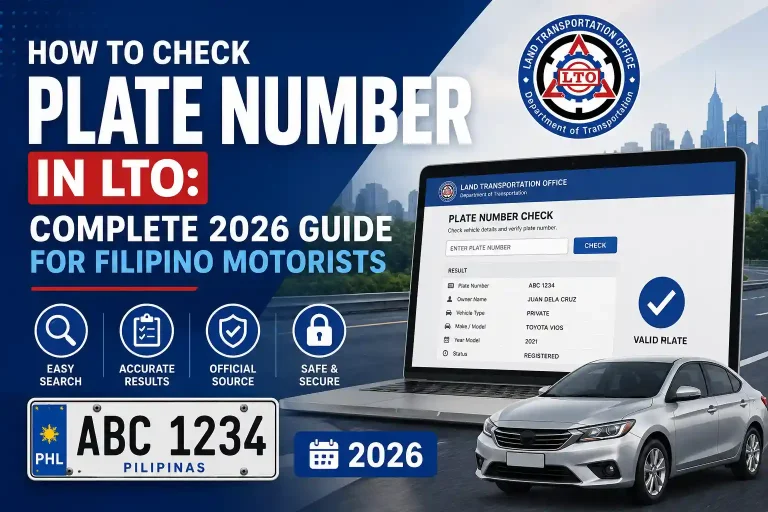
- Visit how to check plate number in lto for detailed verification procedures
Don’t accept excuses about documents “being processed” or alarms “almost cleared.” Legitimate sellers handle these issues before listing vehicles for sale. If they haven’t, you’re inheriting their problems.
Red Flags That Signal Problematic Vehicles
Watch for these warning signs:
- Seller refuses to provide the plate number for verification before viewing
- Registration documents show multiple owners within a short period (possible salvage or problematic vehicle)
- The SMS reply shows the vehicle hasn’t been registered in over two years
- Alarm status indicates stolen vehicle reports or court cases
- Engine or chassis numbers on the vehicle don’t match the registration documents
- Seller pressures you to complete the transaction quickly without proper verification
That “amazing deal” usually comes with hidden costs. You might spend months clearing alarms and paying fines that should have been the seller’s responsibility.
Getting Official LTO Verification Documents
Insist the seller provide a current motor vehicle clearance certificate dated within the past 30 days. This official LTO document confirms no pending cases, violations, or alarms exist.
If the seller claims they can’t get this clearance, that tells you everything you need to know. Walk away. Hundreds of other used cars are available without complications.
Pro Tip:
Never pay deposits or down payments until you personally verify the plate number and see the LTO clearance certificate. Legitimate sellers understand buyers need verification and won’t push you to skip these steps.
What Information Does an LTO Alarm Check Reveal?
An LTO alarm check shows the vehicle’s plate number, make, model, year, color, last registration date, current alarm status, outstanding traffic violations, and any apprehension records or legal holds flagged in the system.
The level of detail depends on your checking method. Text queries provide basic information. Portal checks show more comprehensive histories. In-person verification gives you complete documentation suitable for legal or financial purposes.
Basic Vehicle Information
Every successful alarm check returns:
- Confirmed plate number (verifies you entered it correctly)
- Make and model registered in LTO database
- Manufacturing year on record
- Official color classification
- Registered owner’s name (sometimes abbreviated for privacy)
This data helps you verify a vehicle’s identity. Scammers sometimes alter plate numbers or swap them between vehicles. If the LTO response shows a Toyota Vios but you’re looking at a Honda Civic, somebody’s running a scheme.
Registration and Compliance Status
The check reveals when the vehicle last completed registration renewal. If it shows registration expired three years ago, expect to pay all accumulated penalties before you can renew (roughly ₱2,000 to ₱4,000 depending on vehicle classification).
You’ll also see whether required documents are current:
- Emission test validity
- Third-party liability insurance status
- Insurance policy number on file
Missing or expired compliance documents prevent registration even if you have no violations. Budget time and money to complete these requirements before attempting renewal.
Violation and Apprehension Records
This section lists every traffic violation linked to the plate number since the LTO started digital tracking. You might discover:
- Unpaid NCAP violations with ticket numbers and dates
- Apprehension incidents with location and enforcing unit
- Outstanding fines with current penalty amounts
- Payment deadlines before additional penalties apply
Some violations age out after two years if unpaid, but the LTO reserves the right to pursue collection. Don’t assume old violations disappear automatically.
Active Alarms and Legal Holds
The most critical information appears here. You’ll see whether your vehicle has:
You’ll also see whether required documents are current:
- Active registration hold for unpaid violations
- Court-ordered seizure alerts
- Stolen vehicle flags from PNP reports
- Financing company hold requests (when auto loan payments default)
- Insurance company claims holds (after accident disputes)
Each alarm type requires different clearing procedures. The check results sometimes include contact information for the agency that placed the hold, giving you a starting point for resolution.
When Should You Check Your LTO Alarm Status?
Check your LTO alarm status 60 days before your registration expiration date, immediately after receiving any traffic violation ticket, before listing your vehicle for sale, and before applying for vehicle-related loans or insurance policies.
Most drivers check only when renewal time arrives, then panic when they discover alarms blocking their transaction. Early checking prevents last-minute scrambling.
Pre-Renewal Verification
The LTO allows registration renewal up to 60 days before expiration. Check your alarm status when this window opens. If you find violations, you have two months to clear them without rushing or missing your deadline.
December and January see the heaviest renewal traffic (March and July registrations expire during this period). LTO offices get overwhelmed, payment centers have three-hour queues, and processing times stretch from same-day to a week. Starting early gives you buffer time for unexpected delays.
Post-Violation Verification
Got a traffic ticket? Check your LTO alarm status within 48 hours. Sometimes violations take a few days to appear in the system. If it shows up, pay immediately before you forget. If it doesn’t appear yet, check again after a week.
Don’t rely on the paper ticket as your only record. Tickets get lost, coffee gets spilled on them, or they end up in the laundry. The LTO digital record is permanent. Check it, screenshot it, and pay it.
Pre-Sale Verification
Planning to sell your vehicle? Check for alarms before advertising it. Clearing any issues beforehand makes the sale process faster and increases buyer confidence. You can honestly tell prospects the vehicle has clean LTO records, which justifies your asking price.
Buyers who discover hidden alarms during their verification often walk away or demand price reductions equal to the clearing costs plus a discount for the hassle. Save yourself the negotiation headache by handling alarms first.
Financial Application Verification
Banks and insurance companies sometimes request LTO clearance certificates when processing vehicle loans or comprehensive insurance policies. They want to confirm you actually own the vehicle and it has no legal complications.
Check your alarm status before submitting financial applications. A clean record speeds up approval. Active alarms might trigger application denial or extended processing times while the company investigates the issues.
Can You Renew Vehicle Registration With Active Alarms?
You cannot renew vehicle registration while active LTO alarms exist in the system. The registration window remains blocked until you settle all outstanding violations, pay accumulated fines, and submit clearance certificates that trigger alarm removal.
The LTO enforces this restriction strictly. No district office can override active alarms, regardless of explanations or circumstances. Some provincial satellite offices might attempt manual processing, but the transaction fails when they synchronize with the central database.
What Happens If You Try Anyway
Show up at LTO with active alarms and staff will:
- Pull up your vehicle record on their computer
- Show you the alarm preventing processing
- Provide the violation reference numbers and issuing agencies
- Direct you to settle those issues before returning
You’ve wasted the trip and the time spent waiting in queue. That’s why checking beforehand matters.
No Shortcuts or Backdoor Processing
Some drivers ask about “fixers” who claim they can process registration despite active alarms. These operators are running scams. They either take your money and disappear, or they forge documents that get you arrested later when authorities discover the fraud.
The LTO central database governs all transactions. Unless your alarms are genuinely cleared with proper documentation, no legitimate processing can occur. Attempting to circumvent this through illegal means exposes you to criminal charges under falsification of public documents.
Grace Period Considerations
The LTO doesn’t grant grace periods for alarm-related registration blocks. Your registration expires on the date shown on your Official Receipt regardless of whether you have time to clear violations.
Operating a vehicle with expired registration carries a ₱10,000 fine plus possible vehicle impoundment. Traffic enforcers don’t accept “I’m trying to clear my alarms” as an excuse. Either your registration is current or it isn’t.
What Are the Costs of Clearing LTO Alarms?
Clearing LTO alarms costs between ₱150 to ₱5,000 depending on violation types, with typical traffic violations ranging from ₱150 to ₱1,000, court-related clearances costing ₱1,500 to ₱3,000, and stolen vehicle verifications requiring ₱500 to ₱2,000 in processing fees.
Budget both money and time. Some clearances process same-day. Others take weeks and require multiple office visits.
Traffic Violation Fines
Common violation costs:
- Number coding violation: ₱150 first offense, ₱300 second offense, ₱500 third offense
- Speeding: ₱150 to ₱1,000 depending on excess speed
- Disregarding traffic signs: ₱150
- Illegal parking: ₱150 to ₱300
- Using mobile phone while driving: ₱1,000 to ₱5,000 (Anti-Distracted Driving Act penalties)
- Seatbelt violation: ₱1,000 to ₱5,000
Late payment penalties add 25% monthly interest after the prescribed payment deadline. A ₱150 violation ignored for six months balloons to ₱350 or more.
Administrative Processing Fees
Beyond fines, expect to pay:
- Motor vehicle clearance certificate: ₱50 to ₱100
- Certified true copies of documents: ₱50 per page
- Notarization fees for affidavits: ₱100 to ₱200
- Police clearance: ₱150 to ₱200
- Emission testing: ₱500 to ₱800
Legal Assistance Costs
Complex cases involving court orders or disputed violations might require legal help. Lawyers charge:
- Consultation fees: ₱1,500 to ₱5,000 per session
- Document preparation: ₱3,000 to ₱10,000
- Court representation: ₱15,000 to ₱50,000 depending on case complexity
Most simple alarm clearing doesn’t need lawyers. But if you’re facing carjacking accusations or serious legal disputes, professional help becomes necessary.
Hidden Costs From Delays
Factor in opportunity costs:
- Lost work days taking time off to visit offices
- Transportation costs traveling between LTO, MMDA, and LGU offices
- Late registration penalties (₱100 to ₱300 monthly) if your registration expires while clearing alarms
- Potential impoundment fees if caught driving with expired registration during the clearing process
Clearing a ₱150 violation might ultimately cost you ₱2,000 when you account for time, travel, and registration penalties. That’s why immediate payment when you receive tickets makes financial sense.